South Africa’s Medical Aid Subsidy for 2025 has become one of the most talked-about support programs, as it promises relief of up to R4,500 per month to qualifying individuals. This subsidy is designed to help South Africans, especially workers and low-income families, afford private healthcare coverage without the full financial burden. Rising medical costs have left many people struggling to maintain health insurance, making this subsidy an essential step to bridge the gap between public healthcare and private medical aid schemes. The government has confirmed that the subsidy will be directly linked to income levels, employment status, and family responsibilities. This means not everyone will receive the full R4,500; instead, support will be tailored to personal circumstances. Employers, state workers, and certain pensioners are among the groups expected to benefit most. With implementation rolling out in phases, October 2025 will mark the start of clearer guidelines and payment structures for all applicants seeking this much-needed support.

Who Qualifies for the R4,500 Medical Aid Subsidy?
The subsidy is aimed primarily at South Africans who are formally employed but fall within lower to middle-income brackets, where healthcare costs consume a large portion of monthly salaries. Workers employed by government institutions, parastatals, and even some private-sector companies may qualify depending on agreements in place. Pensioners who were previously covered by state medical aid plans are also expected to benefit, ensuring continued access to private healthcare during retirement. Families with dependents, such as children or elderly parents, may receive higher allocations since their medical aid contributions are often higher. To qualify, applicants will need to provide income documents, proof of medical aid membership, and in some cases, employer verification. The Department of Health and National Treasury have also emphasized that verification systems will prevent fraudulent claims, ensuring only those genuinely in need receive the subsidy. This focus on eligibility safeguards fairness and sustainability for the program.

How Much Support Can South Africans Expect?
The maximum subsidy offered is R4,500 per month, but this is not a flat rate. Instead, it is calculated based on an applicant’s income, household dependents, and medical aid plan type. For instance, lower-income workers earning under a set threshold may qualify for the full subsidy, while middle-income earners may receive a partial subsidy ranging from R1,500 to R3,000. Families with children on their plans could receive higher contributions compared to single applicants. Pensioners may also qualify for slightly adjusted amounts to reflect retirement circumstances. The phased rollout will ensure fairness by adjusting amounts in line with medical aid plan costs and inflation. While some South Africans may worry that only a small portion will receive the maximum R4,500, officials have reassured that even partial subsidies will substantially reduce financial strain. In essence, this initiative is designed to make healthcare more affordable for thousands of households in 2025.
Application Process and Documentation Required
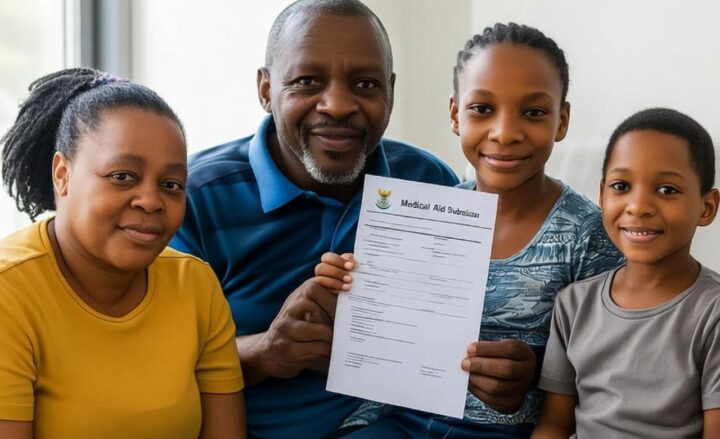
Applying for the subsidy will require applicants to submit proof of income, identity documents, and medical aid membership details. For those employed in government or state-owned enterprises, applications may be processed directly through payroll systems, allowing the subsidy to reflect automatically in monthly payslips. Private-sector workers will need to apply via the Department of Health’s online portal or through employer channels if linked programs exist. Pensioners will likely need to apply through the Government Employees Pension Fund (GEPF) or equivalent offices, depending on their medical aid provider. Verification will be a critical part of the process to prevent duplicate or fraudulent claims. Applicants should also prepare to provide supporting documents such as dependents’ birth certificates or marriage certificates if family members are included in the coverage. The application system is expected to go live in early October 2025, with an emphasis on digital submissions to speed up approvals and payments.
 SASSA Care Dependency Grant October 2025 — Latest Payment Dates, Payout Amount & Who Qualifies
Long-Term Benefits of the Medical Aid Subsidy
The long-term benefits of the Medical Aid Subsidy 2025 go beyond immediate financial relief. By making private healthcare affordable for more South Africans, the government aims to reduce pressure on overburdened public hospitals and clinics. This will ensure quicker access to specialists, better chronic illness management, and improved overall health outcomes for families. Over time, the subsidy could encourage more citizens to join private medical schemes, which will expand healthcare coverage nationwide. Economically, it reduces the financial risks faced by households during health emergencies, preventing families from sinking into debt due to hospital bills. Employers may also benefit, as healthier employees contribute to improved productivity and reduced absenteeism. Pensioners, often the most vulnerable to health expenses, will gain peace of mind knowing they have continued coverage. Ultimately, the subsidy signals a move toward a more balanced healthcare system, where financial barriers no longer prevent access to quality medical treatment.