The South African Constitutional Court has moved to remote work since November 1st. This happened because they don’t have steady water supply in their building. It shows how South Africa struggles with basic infrastructure problems despite being a major economy in Africa. The government’s water minister recently claimed there isn’t a water crisis. However he warned that clean drinking water could get worse soon. This situation affects many parts of daily life in South Africa. The court’s problem is just one example of the wider issues the country faces with its water systems.
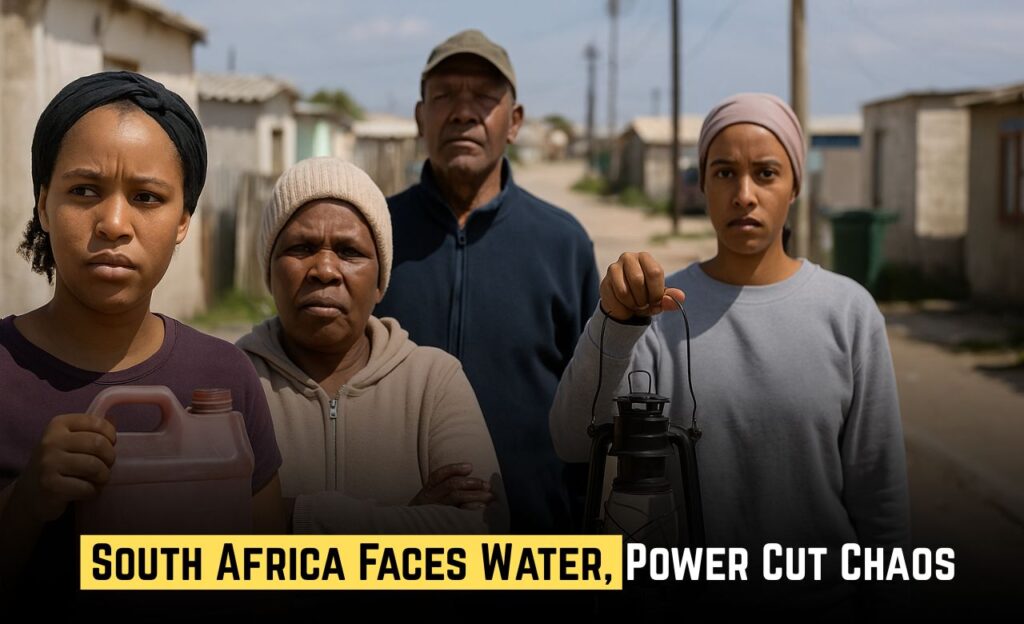
A National Breakdown: How Failing Infrastructure is Crippling Daily Life in South Africa
South Africa faces big problems with power & water supply. These issues hurt the country’s economy and make life harder for many people. In Gauteng where Johannesburg is located about half the water gets wasted due to old pipes leaks and people stealing it. Rich people can buy their own backup systems like water tanks and solar panels when services fail. But poor people cannot afford these options. This creates a bad situation because when wealthy residents stop using city services the local government gets less money. With less money coming in towns and cities struggle to fix problems & keep basic services running for everyone else. This makes the gap between rich & poor even bigger.

Beyond the Pipes and Wires: Why Water Scarcity is Fuelled by Political Deadlock
Many people around the world don’t have enough water. About half of all people face water problems for at least one month each year. The UN says 1.8 billion people will have no water access by 2025. Climate change makes this worse but money is the bigger problem. Countries need funds to build water systems & pipes. Some places like the UAE deal with this by buying food from other countries instead of growing it. They also clean ocean water to make it drinkable. The main issue isn’t just about having water nearby. It’s about having the money & tools to get clean water to people who need it.
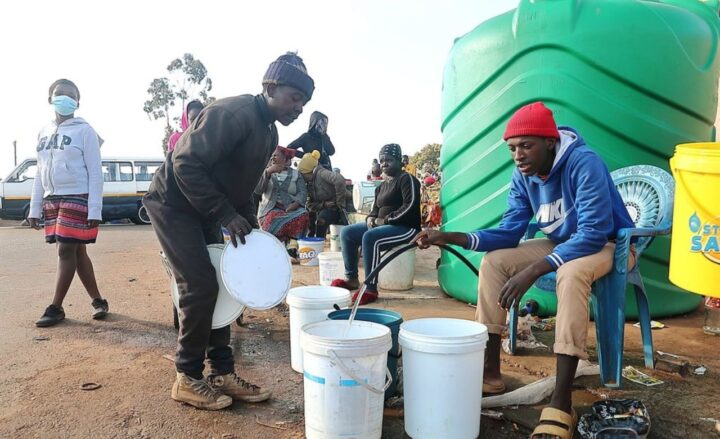
From Farms to Families: How South Africa’s Water Crisis Could Spark a Global Food Emergency
We need to act fast to save our water supply or we might not be able to grow enough food in the next 25 years. This warning comes from a new report by water experts. They say we should think of water as something we all share and protect, not as something that will never run out. Water systems around the world are linked to each other. For example, China needs healthy forests in places like Ukraine and Kazakhstan to keep its own water supply safe. If we don’t make changes now we could face serious problems with growing food in the future.