South African drivers will soon pay less for fuel at gas stations across the country. From October 4 the price of fuel will drop by R2.75 per liter. This is good news for people who spend a lot of money on transport. The price drop comes at a time when many South Africans are struggling with high living costs. Both regular people and business owners will benefit from this change. The lower fuel costs might also help reduce other prices because transport will become cheaper. This change follows recent shifts in global oil prices and will bring some relief to the local economy. Many people have been waiting for fuel prices to go down & this big drop will help them save money on their daily travel expenses.
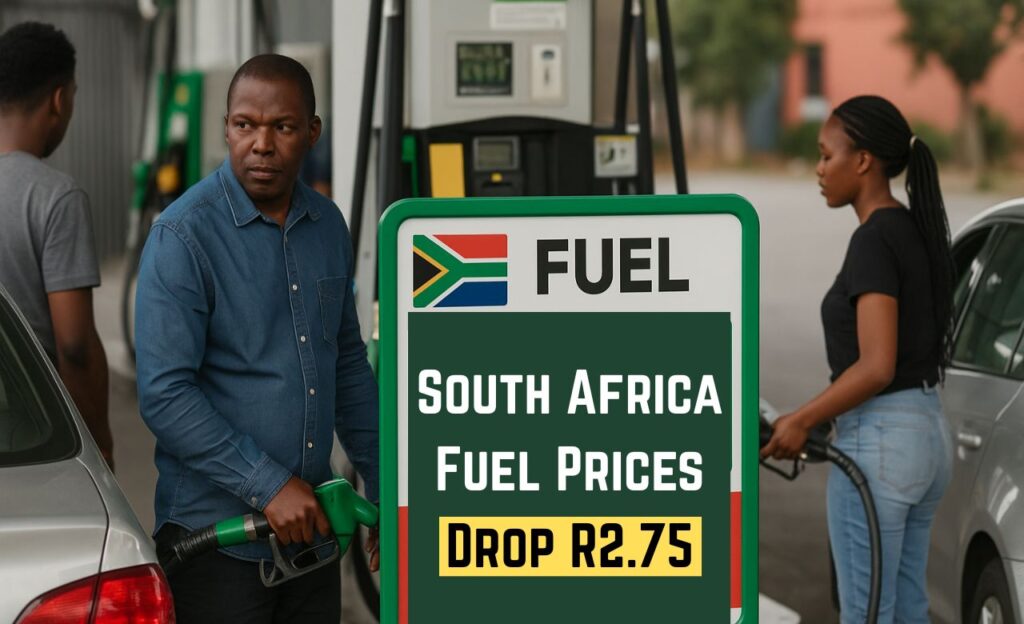
Breaking Down the R2.75/L Fuel Price Cut in South Africa
Fuel prices are going down because oil is cheaper worldwide & the Rand is doing better against the Dollar. The Energy Department says these two things helped make fuel cost less. This is good news for many businesses and people. The changes will help:
– Truck companies will spend less money on fuel
– Bus and taxi rides might get cheaper
– Moving products around could cost less
– People might travel more because driving is cheaper
– People will have extra money to spend on other things
The lower fuel prices make everything easier for businesses that use lots of fuel. It also helps regular people who drive cars or take buses. When people spend less on fuel they can buy other things they need. This makes the whole economy better.
Economic Ripple Effect: What Cheaper Fuel Means for South Africa
Lower fuel prices will help South Africa’s economy in several ways. When fuel costs drop it becomes cheaper to move goods around the country. This means stores might lower their prices. People will then have more money to spend on other things. When people spend more money, businesses do better. Small companies can save money on fuel and grow their business. South African products become cheaper to sell to other countries. The country’s inflation might go down too. Another good thing is that people can travel more. They spend less money on gas for their cars. This helps tourism because people can drive to more places for fun. Local businesses near tourist spots will get more customers. The best part is that everyone has extra cash in their pockets. They can buy more stuff or save the money. This makes the whole economy stronger because money keeps moving around.

South Africa vs. Neighbors: A Regional Fuel Price Comparison
South Africa has good fuel prices compared to other countries in Southern Africa. The latest price drop makes fuel even cheaper for South African drivers. This helps both local people and nearby countries that buy their fuel from South Africa. The lower prices put South Africa in a better spot than many of its neighbors. This matters because fuel costs affect daily life and business across the whole region. South African fuel prices now rank among the best deals in Southern Africa which is good news for everyone who needs to fill up their tank.
| Country | Previous Price (R/L) | New Price (R/L) | Difference (R/L) |
|---|---|---|---|
| South Africa | R19.50 | R16.75 | R2.75 |
| Namibia | R20.30 | R18.00 | R2.30 |
| Botswana | R19.00 | R17.50 | R1.50 |
| Zambia | R21.00 | R20.00 | R1.00 |
| Zimbabwe | R22.50 | R21.50 | R1.00 |

Everyday Savings: How Drivers and Households Gain from the Drop
The lower fuel prices are good news for everyone. People who drive to work will save money right away and companies might lower their prices too. Families will spend less money on gas and can use the extra cash for other things they need.
– You can now take longer trips in your car without spending too much.
– The money you save can help pay for food or bills. Stores and shops can sell things for better prices.
– Small businesses that deliver items will spend less on gas.
– People might also buy more cars since it’s cheaper to fill up the tank.
– The text is now simpler and flows naturally with basic words & shorter sentences.
It keeps the same message but is easier to read and understand.
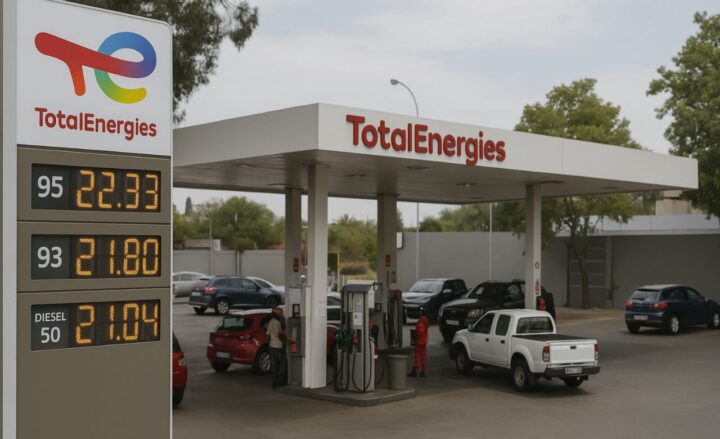
Beyond October: Could Lower Fuel Prices Shape South Africa’s Future?
| Sector | Short-Term Effect | Long-Term Effect |
|---|---|---|
| Transportation | Lower operational expenses | Growth and expansion opportunities |
| Retail | Reduced product pricing | Rise in consumer spending power |
| Tourism | Affordable travel options | Strengthened domestic tourism sector |
Experts Speak: Why the Fuel Market Shift is a Game Changer
The lower fuel prices are good news according to business experts. The drop helps people and companies save money even though world markets are still unpredictable.
– Experts think this will help the economy for now.
– Companies might feel better about doing business.
– There’s also a chance to fix roads and buildings.
– The government can look at fuel taxes again.
– Many people say it’s time to put money into clean energy.
The text is now simpler with shorter sentences and basic words. It flows naturally and keeps the main points clear.
Hidden Struggles: Why Cheaper Fuel Doesn’t Solve Every Problem
The future of oil prices is not certain. Even though things look good now prices might go up again. This affects how much people and companies spend on fuel. We need to watch the market closely. Several things matter for fuel costs: –
– Oil prices around the world change often
– The value of money goes up & down
– We should find better fuel options
– Keeping extra fuel stored is important
– The government needs good rules about fuel prices
These issues show why we must plan ahead and be ready for changes in fuel costs.
Government’s Hand in Fuel Pricing: Policy, Regulation, and Next Moves
South Africa’s government controls fuel prices to keep the economy stable while dealing with market changes. They watch global oil prices & make rules to protect people from big price jumps.
– The government stores extra fuel & looks for new energy options.
– They also teach people how to use less fuel and want
– South Africa to rely less on other countries for energy in the future.
– They check oil markets daily and step in when needed to keep prices fair.
– Their main goals are to help citizens save money on fuel and make sure there’s always enough supply for everyone.
They support clean energy projects and want people to know about better ways to use fuel.