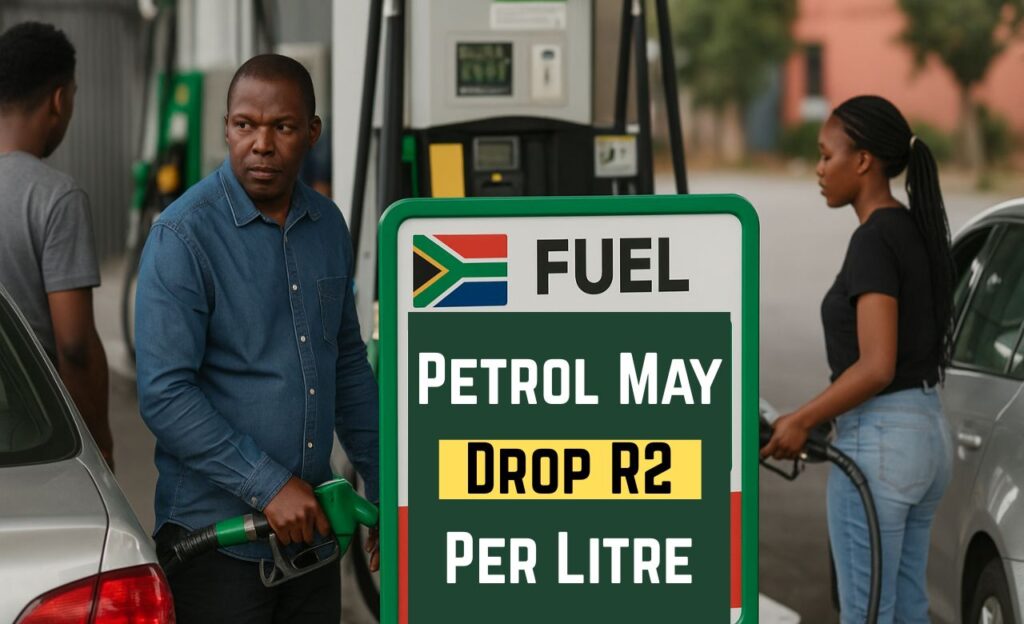
In October 2025, South Africans could finally breathe a sigh of relief at the pumps, as petrol prices are expected to drop by as much as R2 per litre. This potential decrease comes after months of rising fuel costs that strained household budgets and businesses alike. The forecast is driven by a combination of easing international oil prices, a stronger rand against the dollar, and stabilizing refinery output. For many motorists, this reduction could mean saving hundreds of rands each month, especially for those who travel long distances for work. Public transport operators and logistics companies also stand to benefit, potentially lowering the costs of goods and services across the country. However, experts caution that global market volatility remains a concern, meaning that while October’s drop offers relief, it may not last indefinitely. For now, though, many families are hopeful that this decline will provide some much-needed financial breathing room during challenging economic times.
Why Petrol Prices Are Expected to Drop in October 2025
One of the main reasons for the anticipated R2 per litre decrease in October is the steady decline in international crude oil prices. Over the past two months, global oil supply has improved as OPEC producers increased output, easing shortages that had pushed prices higher earlier in the year. Additionally, South Africa’s rand has gained strength against the US dollar, which directly impacts the cost of fuel imports. With fewer currency pressures, the landed cost of petrol has decreased, paving the way for cheaper pump prices. Economists also highlight that government levies remain unchanged, allowing motorists to fully benefit from the global oil market’s relief. This alignment of international and domestic factors gives analysts confidence that October will indeed see one of the largest monthly fuel price drops in recent years, providing relief across households and industries.
 New Driving Laws October 2025 – Massive Fines Await Those Who Don’t Follow Updated Road Rules
How Lower Fuel Prices Could Impact South African Households
The predicted R2 per litre drop in petrol costs will significantly ease pressure on South African households already battling inflation. Transport is one of the biggest contributors to living costs, with rising fuel prices often pushing up food and essential goods. A reduction in petrol prices means that families could save more each month, and public transport fares may stabilize instead of rising. Delivery services and taxis are also expected to benefit, potentially passing on savings to commuters. For rural communities, where long travel distances are common, this relief could be especially impactful. Moreover, lower fuel prices may help reduce inflationary pressures in the wider economy, offering some indirect relief on grocery and utility costs. Although experts caution that the benefit may be temporary, the October price cut is still being welcomed as a lifeline during tough economic times.
Expert Predictions on the Future of Fuel Prices
While October 2025 brings a hopeful drop in petrol prices, energy analysts warn that future costs remain uncertain. Global oil markets are influenced by unpredictable factors such as geopolitical tensions, refinery shutdowns, and international trade policies. If crude oil prices rebound, South African motorists could see petrol climb again in the following months. Experts suggest that while R2 relief now is significant, it should be treated as temporary, encouraging households to plan wisely. Some predict that prices may stabilize through the festive season if the rand maintains its current strength, but a sudden shift in global supply could reverse these gains. Therefore, while October is shaping up to be a positive month for consumers, the long-term outlook remains cautious, with volatility likely to continue into 2026.

What This Means for Businesses and the Economy
Businesses across South Africa will also benefit from the October fuel price drop. Logistics companies, which spend millions on fuel each month, are likely to see reduced operating costs, allowing them to keep service prices competitive. Retailers may also feel some relief in transportation expenses, potentially preventing further food price hikes. For small businesses, the savings can help balance budgets stretched by electricity price increases and other overheads. The mining and agricultural sectors, both heavily reliant on fuel, are expected to see improved cost efficiency. Economists argue that this could provide a small but meaningful boost to South Africa’s GDP growth for the final quarter of 2025. However, they caution that the relief may be short-lived unless global oil markets remain stable. For now, businesses are cautiously optimistic, hoping this dip marks the start of a more sustainable energy cost trend.